Carl Jung on Kundalini: Unlocking the Mysteries of the Unconscious Mind
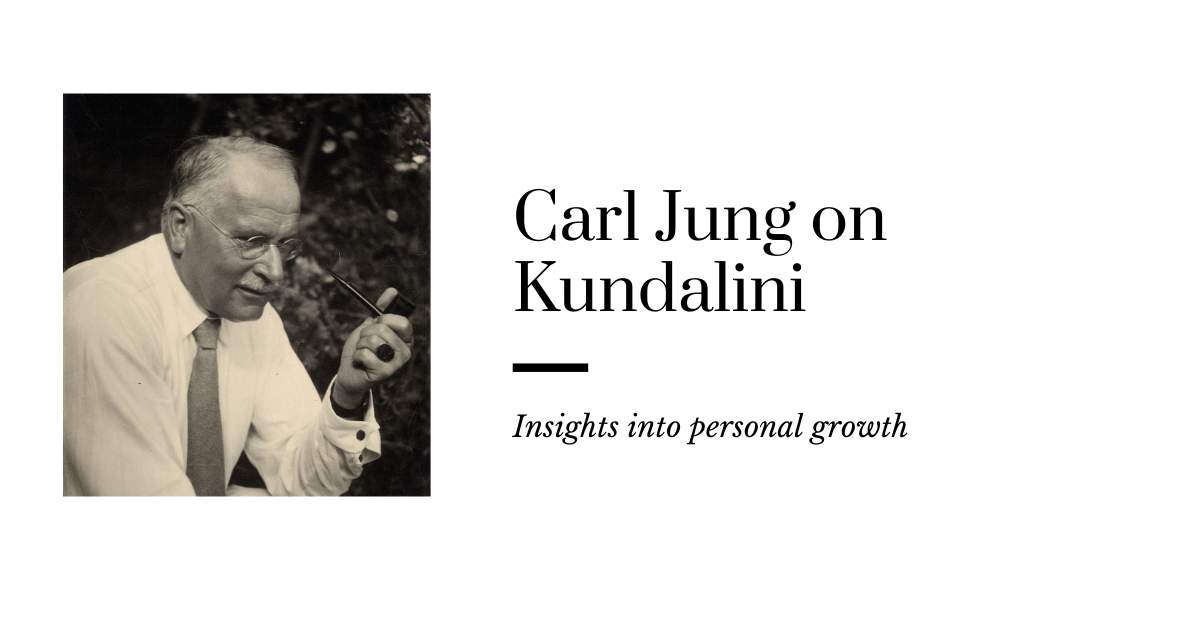
Carl Jung explored the powerful concept of Kundalini, believing it held the key to unlocking the human mind's deepest layers.
He saw Kundalini as a “cosmic filament,” an energy that connects each person’s mind to what he called the Prime Collective Unconscious.
In Jung's view, Kundalini wasn’t just an Eastern spiritual concept; he described it as a universal force capable of awakening ancient knowledge within each soul.
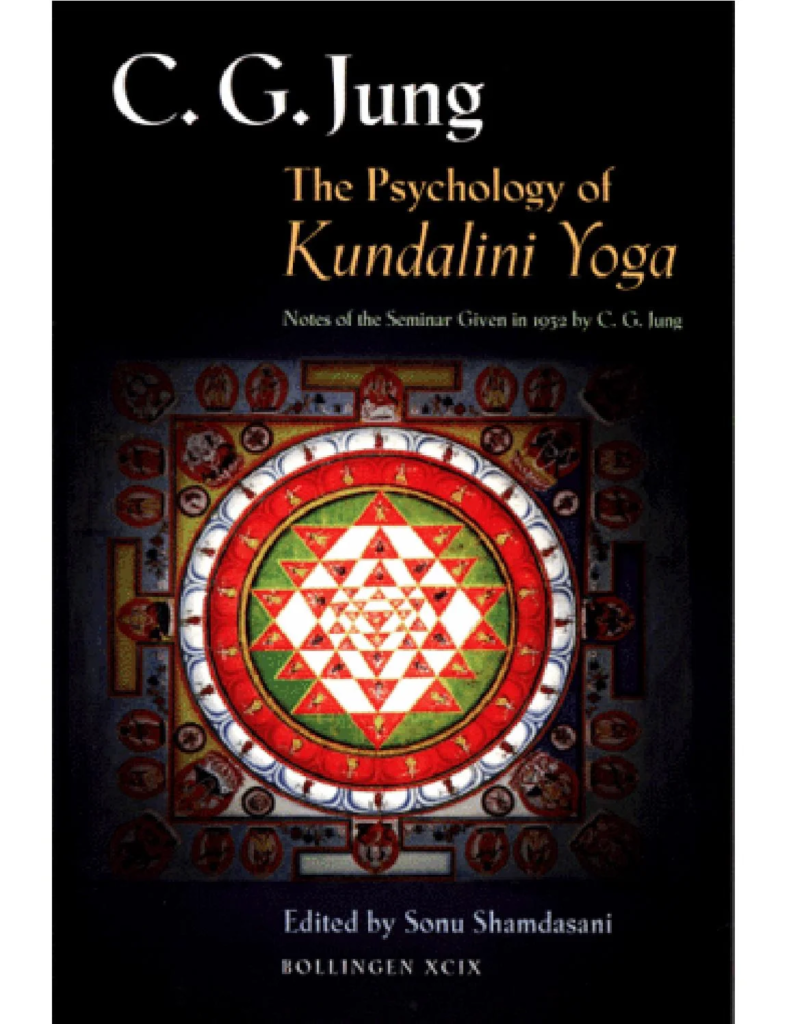
Carl Jung's Secret Experiments with Kundalini
In his later years, Carl Jung began conducting secretive experiments with Kundalini alongside a select group of students and scholars.
He believed that meditation, chanting, and intense breathwork could help people reach a special state, which he described as a "karmic corridor."
This meditative state, according to Jung, enabled people to access symbols, memories, and ancient wisdom.
Reports from these sessions even described participants experiencing visions of vast libraries filled with cosmic knowledge, which Jung felt symbolized a universal wisdom within the human psyche, waiting to be unlocked through Kundalini.
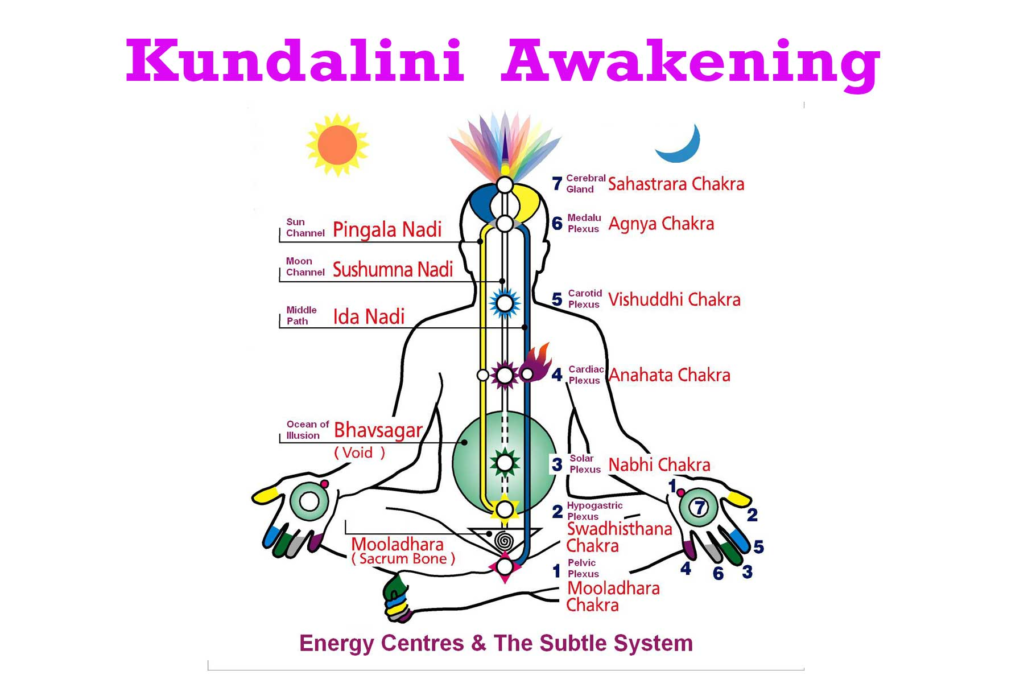
The Axis of Archetypes: Carl Jung’s Vision of Kundalini
For Carl Jung, Kundalini offered more than just spiritual insight; it was a path to a powerful dimension he called the Axis of Archetypes.
He theorized that Kundalini could activate key archetypes like the Hero, the Wise Old Man, and the Child, fundamental symbols embedded in our collective unconscious that shape our behaviors and dreams.
Jung saw Kundalini as the force that “awakens living symbols” within each person.
When Kundalini rises, he believed it could bring these archetypes to life, leading to a profound transformation in personality and purpose.
Jung named this phenomenon the Great Integration, where an individual unites with deeper, universal energies.
Kundalini as the “Spine of Consciousness” in Carl Jung’s Teachings
Carl Jung viewed Kundalini as the “spine of consciousness,” a force connecting human awareness with the universe at large.
According to Jung, awakening Kundalini opens a reservoir of ancient symbols and wisdom, bridging the mind across time and space to access glimpses of other cultures, eras, and even lifetimes.
During these sessions, Jung and his followers recorded events of telepathy and spontaneous healing, leading him to believe that Kundalini could enable people to surpass the boundaries of their own consciousness.
He coined this phenomenon chronotropy, describing Kundalini’s ability to bend the “psychic fabric of time.”
Carl Jung’s Vision for a Global Kundalini Awakening
Jung envisioned a powerful future where a collective Kundalini awakening could transform society.
He speculated that if humanity could awaken this energy together, it could break down cultural and social barriers, fostering a global sense of understanding and empathy.
In letters with mystics from Benares, Carl Jung suggested that Kundalini’s power might help humanity evolve beyond conflict and ego.
He saw it as a potential “psychic revolution,” where people would naturally connect and understand each other, making war and division obsolete.
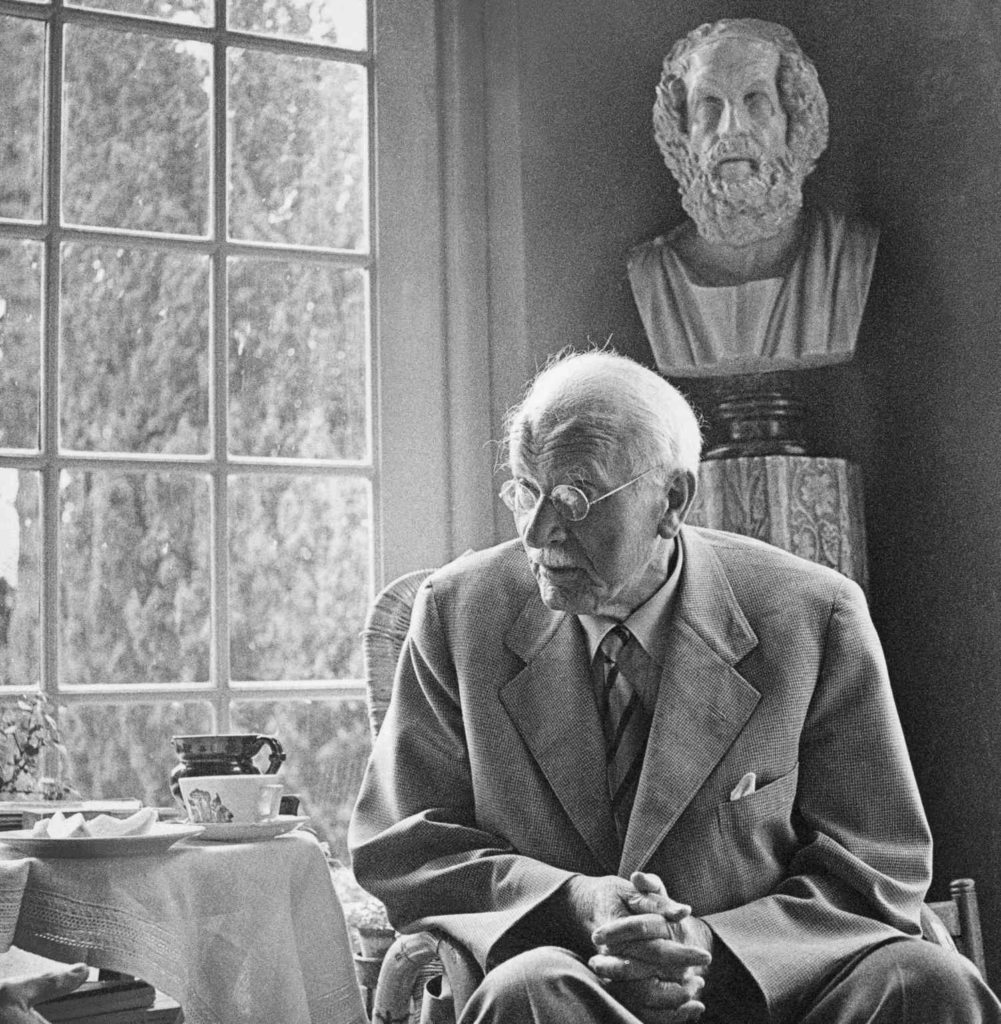
Carl Jung’s Final Theories: Linking Kundalini to Alchemy
In his later years, Carl Jung examined the link between Kundalini and alchemical principles, suggesting that Kundalini’s chakras aligned with what he called the Seven Lost Principles of Alchemy.
Jung theorized that when balanced, these chakras could trigger not just psychological but physical transformations, offering profound shifts in reality perception.
In his last writings, Jung described Kundalini as the "Key to Reality," a force that bridged the inner and outer worlds.
He believed Kundalini could offer people a deep understanding of their place in the universe and provide a profound sense of interconnectedness with all existence.
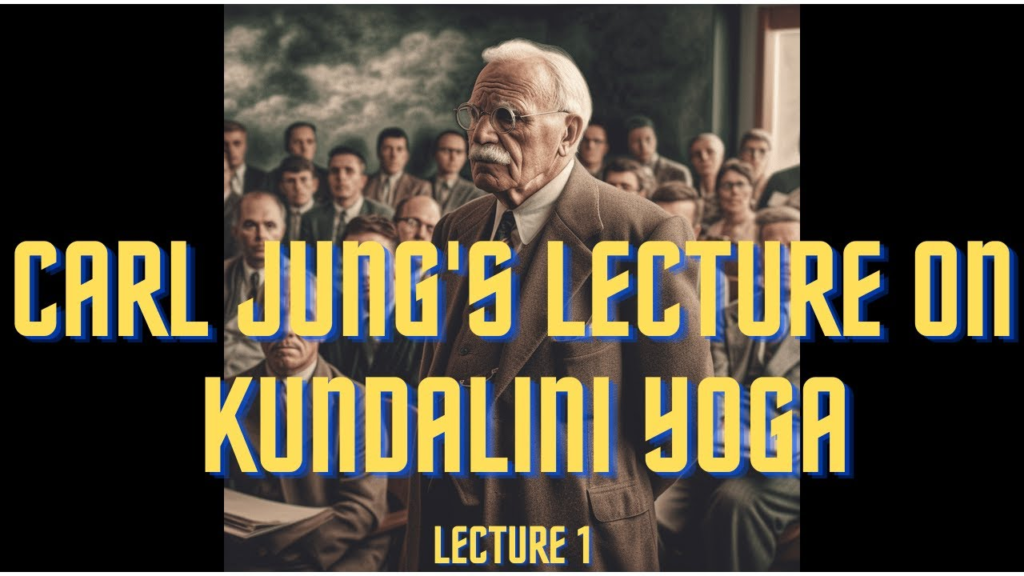
Carl Jung’s Legacy and the Mystery of Kundalini
Carl Jung’s exploration of Kundalini remains one of the most intriguing aspects of his legacy.
For Jung, Kundalini was more than just a spiritual journey; it was a powerful psychological tool capable of unlocking hidden wisdom within the human mind.
He saw Kundalini as a path to self-transformation and a connection to ancient, universal knowledge.
To Carl Jung, Kundalini was the “spine of consciousness,” a force that—if fully understood—could reveal life’s deepest truths and help humanity reach its highest potential.

A sanctuary dedicated to authentic inquiry into Yoga, Tantra, Pranayama, and Vedic scriptures. Guided by classical texts and sincere spiritual seekers.
Comments & Reflections (0)
No comments yet on this article. Share your reflection or questions below!
Leave a Comment
Your email address will not be published. Questions regarding spiritual practices are welcomed.
Related Articles in Articles
 Articles
The Scientific Benefits of No Fap: Unlocking the Power of Mind and Body
The practice of No Fap —abstaining from physical release—is now believed to offer significant scientific benefits . Through research in Quantum Neuropsychology , scientists suggest that No Fap activates a hidden structure in the brain calle...
 Articles
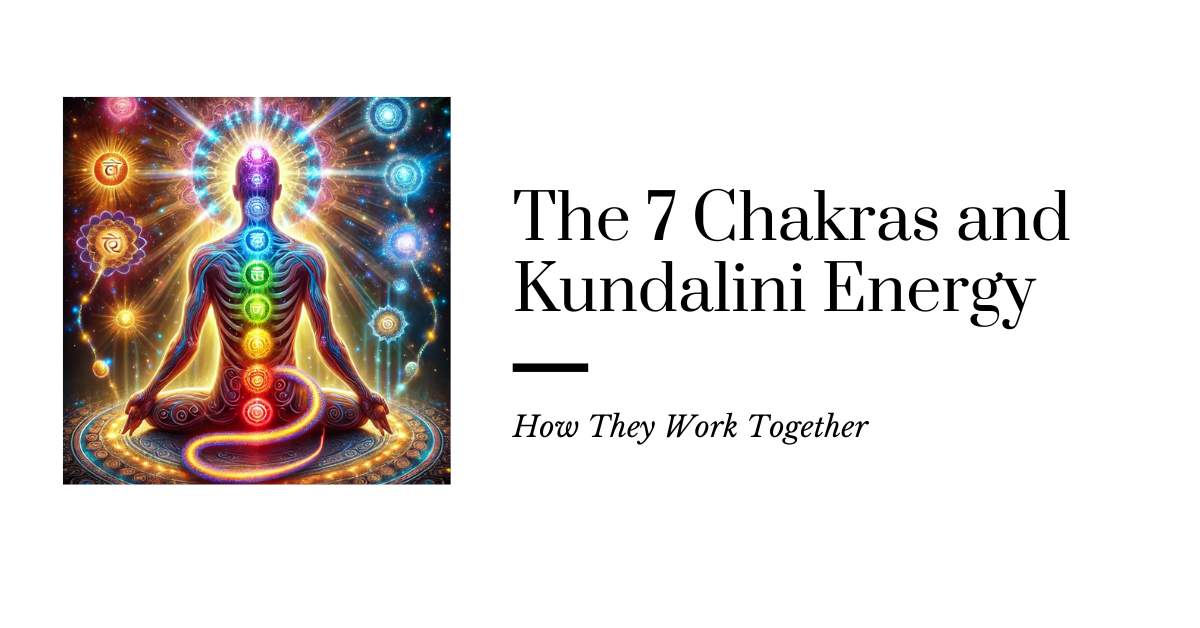
The 7 Chakras and Kundalini Energy: How They Work Together
The human body is not just a physical vessel; it is also an energetic one, composed of intricate systems of spiritual and emotional energies. One of the most powerful spiritual concepts in ancient Indian traditions is Kundalini energy , bel...
 Articles
Kundalini Meditation Techniques: A Step-by-Step Guide to Energy Activation
Have you ever felt the urge to unlock your spiritual energy and experience deep inner transformation? Kundalini meditation techniques might be the key you're searching for. Rooted in ancient spiritual practices, Kundalini meditation is desi...