Koormasana: The Tortoise Pose for Ultimate Relaxation and Flexibility
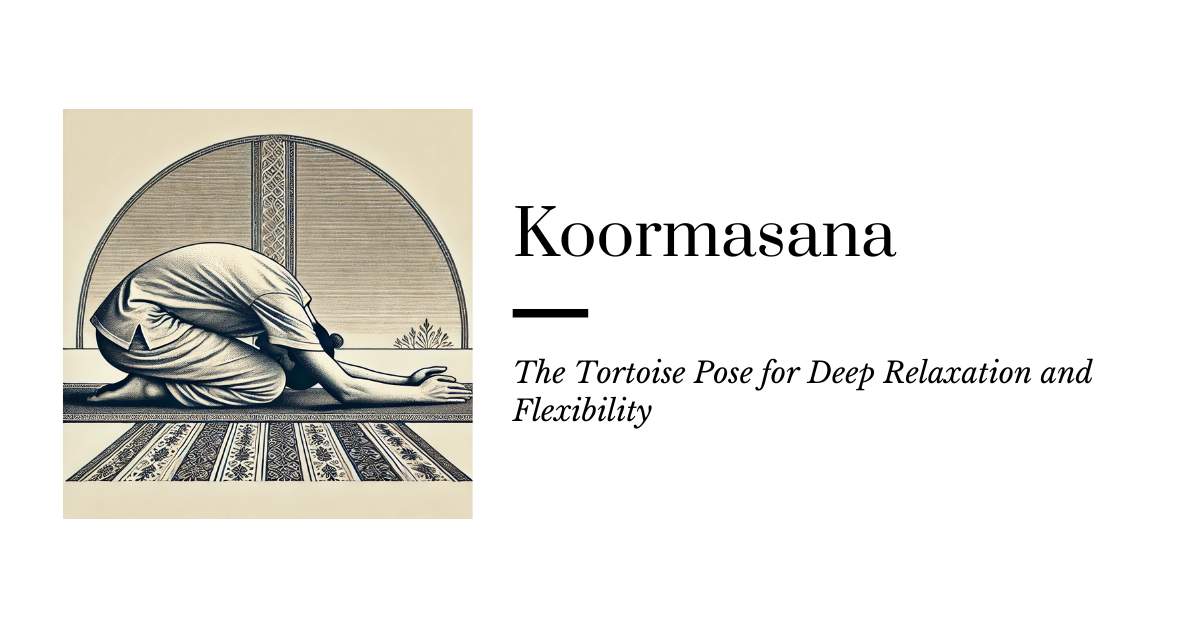
Did you know that Koormasana, or Tortoise Pose, is one of the most effective yoga asanas for deep relaxation and flexibility? This unique pose, inspired by the tortoise, helps you withdraw from the external world, much like a tortoise retreats into its shell. Koormasana is not only beneficial for calming the mind but also for increasing flexibility in your hips, back, and shoulders.
Let’s explore the significance of Koormasana, how to perform it, and the numerous benefits it offers.
What is Koormasana?
Koormasana, also known as the Tortoise Pose, is a seated yoga posture that deeply stretches the back, shoulders, and legs. The pose requires you to fold forward and stretch your arms underneath your legs, resembling a tortoise tucked into its shell.
In Sanskrit:
- Koorma means tortoise.
- Asana means pose.
This pose symbolizes the inward journey of withdrawing from distractions and focusing on your inner self.
How to Perform Koormasana (Step-by-Step)?
- Start in Dandasana (Staff Pose): Sit on the floor with your legs extended straight in front of you. Keep your spine erect and hands resting beside your hips.
- Spread Your Legs: Slowly spread your legs slightly wider than your hips.
- Fold Forward: Inhale deeply, then exhale as you fold forward from your hips. Extend your arms forward and slide them underneath your knees.
- Stretch Your Arms: Keep sliding your arms further under your knees, reaching outward as far as possible. Your palms should face down.
- Relax Your Head: Gently lower your head toward the floor, allowing your back to round naturally. If comfortable, rest your forehead on the floor.
- Hold the Pose: Breathe deeply and hold the pose for 30 seconds to 1 minute. Focus on relaxing your body and mind, just like a tortoise withdrawing into its shell.
- Release Slowly: To release the pose, inhale and slowly lift your torso, bringing your arms back to the sides of your legs. Return to Dandasana.
Benefits of Koormasana
1. Deep Relaxation and Calmness Koormasana is known for its ability to induce a deep sense of relaxation. The inward folding action encourages introspection, calming the mind and reducing stress.
2. Increases Flexibility This pose stretches the hips, back, and shoulders, improving overall flexibility. Regular practice of Koormasana can enhance mobility and release tension in these areas.
3. Stimulates Abdominal Organs Koormasana gently massages and stimulates the abdominal organs, which can aid in digestion and relieve bloating.
4. Relieves Back Pain The forward bend in Koormasana helps relieve tension in the lower back, making it an excellent pose for those with back pain or stiffness.
5. Improves Focus Like the tortoise, which retreats into its shell, this pose encourages you to turn your attention inward, improving focus and concentration.
Precautions and Modifications
- Avoid if Pregnant: Koormasana involves intense forward bending, which is not suitable for pregnant women.
- Modify with Props: If you find it difficult to stretch your arms under your legs, you can use a yoga strap or block to support your forward bend.
- Avoid if You Have a Herniated Disc: People with severe lower back issues or herniated discs should avoid this pose as it may strain the back further.
Expert Tip: Progress Slowly
Koormasana requires a good amount of flexibility, so don’t rush into the full pose. Start slow and gradually increase your range of motion over time. Yoga instructor Kino MacGregor suggests, “Listen to your body and let the pose evolve naturally, without forcing it.”
Discover Your Inner Calm with Koormasana
Koormasana, the Tortoise Pose, is a powerful asana that not only enhances flexibility but also fosters a deep sense of calm and relaxation. By practicing this pose regularly, you can experience a greater connection to your inner self, just as the tortoise withdraws into its shell for protection and peace.
Ready to try Koormasana? Incorporate this pose into your practice and observe the transformative effects it has on both your body and mind.
Read More: Bhairava Mudra (Become Fearsome): Benefits, Steps, Precautions
A sanctuary dedicated to authentic inquiry into Yoga, Tantra, Pranayama, and Vedic scriptures. Guided by classical texts and sincere spiritual seekers.
Comments & Reflections (0)
No comments yet on this article. Share your reflection or questions below!
Leave a Comment
Your email address will not be published. Questions regarding spiritual practices are welcomed.
Related Articles in Guides
 Guides
Rahu Kaal Today: Complete Guide to Rahu Kaal Timings by City in India and Around the World
Rahu Kaal is one of the most commonly referenced periods in traditional Hindu timekeeping. People who follow Vedic astrology and Panchang traditions often check Rahu Kaal before beginning an important activity, especially when they want to ...
 Guides
Meditation for Kids: A Simple Guide to Help Your Child Relax and Focus
In today’s fast-paced world, kids often experience stress and anxiety, just like adults. That’s where meditation for kids comes in. Meditation is a simple and effective way to help children calm their minds, manage their emotions, and impro...
 Guides
Meditation and Its Methods: Learn Powerful Ways To Change Your Life
Did you know that regular meditation can significantly reduce stress, improve focus, and enhance overall well-being? Meditation and its methods, ancient practices rooted in various spiritual traditions, have gained widespread popularity as ...