Pythagoras views on celibacy
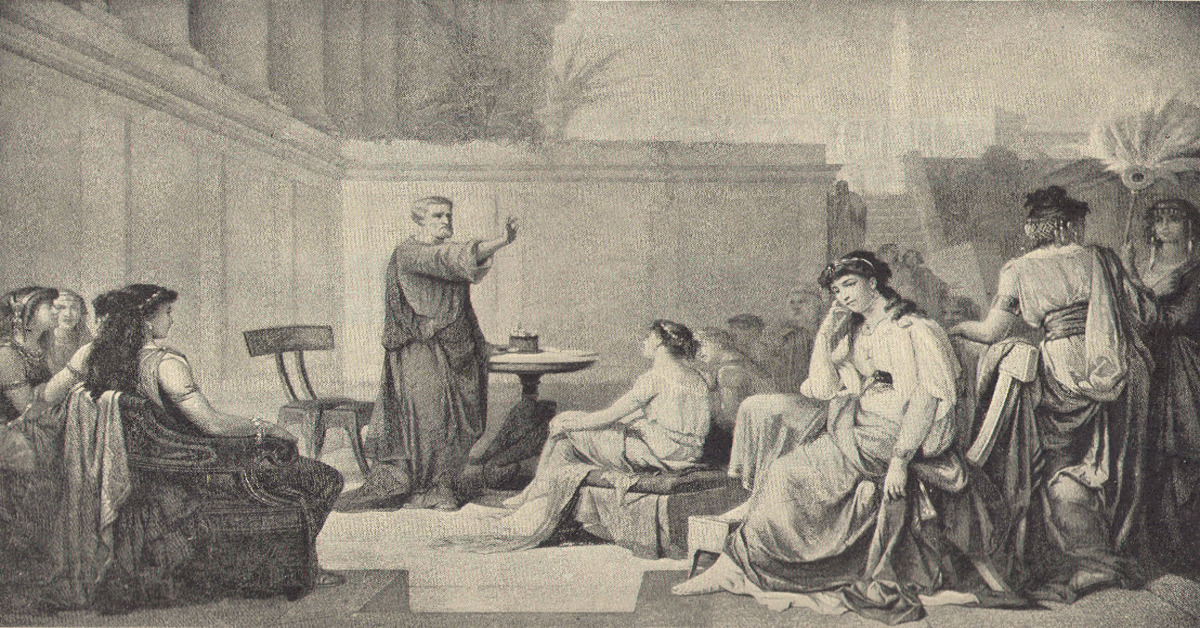
The following exercpt is taken from the book A History of Celibacy, page 43, The Influence of Greek Philosophy by Elizabeth Abbott. In this section of the book Elizabeth details the views Pythagoras had on the topic of celibacy and conservation of sexual energy. It is fascinating to understand the take of this great philosopher, mathematician and mystic of Greek antiquity on a topic like sex , and the role it played in the lives of people in his commune. The excerpt:
Pythagoras was a sixth-century B.C. philosopher who created a religious movement that melded Orphic doctrine with Indian and Persian beliefs. The Orphic religion was not widely practiced, but it appealed to intellectuals, who responded to its dogmatic absolutes, including the promise of eternal life to the ritually and physically pure. To further his goal of the moral regeneration of society, Pythagoras founded a celibate brotherhood that, stripped of its economic and political dimensions, survived for centuries as a religious cult.
Plato refined and transmitted many Pythagorean ideas into his own immeasurably influential philosophy. He, too, was a dualist and saw the soul as morally superior to the body, which impeded it in its execution of higher goals.
Pythagoras' commune members, including women accepted on equal terms with men, had to surrender their possessions into the collective pot, for he taught that "friends have all things in common" and "friendship is equality." He divided lifetimes into four twenty-year seasons corresponding to spring, summer, fall, and winter: twenty years a boy, twenty years a youth, twenty years a young man, twenty years an old man. For the first segment of their studies, his disciples had to listen to Pythagoras speaking from behind a cover so they could never even glimpse him. After five years of this, he permitted them into his house where he conversed with them in person.
Pythagoras preached of a world divided into opposing principles: the inferior Unlimited Breath, which included darkness, even numbers, and femaleness, and the superior Limit, meaning light, odd numbers, and maleness. The superior soul was trapped inside the inferior body alongside the Furies of wicked passions. To release and thereby save their imprisoned souls, people had to observe taboos, in particular against the debasement of sexual intercourse.
However, Pythagoras counseled celibacy only during the hot and dry summer, and if possible the spring and fall. Wintertime sex was less desiccating, and therefore more acceptable, though like all the pleasures of love, still harmful to health. To a man eager to know when he should have sex with a woman, Pythagoras replied, "When you want to lose what strength you have."
Pythagoras also stressed that any sexual activity should not begin before a man's twentieth birthday, and he praised the stringency of Greek rules against making love in a temple with a woman who was either someone's sister, mother, or daughter—in other words, any woman at all. The only sex he tolerated was for the express purpose of procreating children, and then only between husband and wife.
Plato refined and transmitted many Pythagorean ideas into his own immeasurably influential philosophy. He, too, was a dualist and saw the soul as morally superior to the body, which impeded it in its execution of higher goals.Depending on its expression, he saw love as sacred and elevating or profane and degrading. Sexual intercourse was the lowest form of all, plunging humans into bestiality. What was required to surmount these lower forms of love was virtuous living, defined by austerities compatible with Pythagoreanism, in particular sexual continence.
In Plato's Republic, a jovial man asked Sophocles the poet a crude question about his sexuality: "How about your service of Aphrodite, Sophocles—is your natural force still unabated?" To which Sophocles replied, "Hush, man, most gladly have I escaped this thing you talk of, as if I had run away from a raging and savage beast of a master."
For more articles on the concept of sexual energy see this section.
References
- A History of Celibacy by Elizabeth Abbott [link]

A sanctuary dedicated to authentic inquiry into Yoga, Tantra, Pranayama, and Vedic scriptures. Guided by classical texts and sincere spiritual seekers.
Comments & Reflections (0)
No comments yet on this article. Share your reflection or questions below!
Leave a Comment
Your email address will not be published. Questions regarding spiritual practices are welcomed.
Related Articles in Articles
 Articles
The Scientific Benefits of No Fap: Unlocking the Power of Mind and Body
The practice of No Fap —abstaining from physical release—is now believed to offer significant scientific benefits . Through research in Quantum Neuropsychology , scientists suggest that No Fap activates a hidden structure in the brain calle...
 Articles
Carl Jung on Kundalini: Unlocking the Mysteries of the Unconscious Mind
Carl Jung explored the powerful concept of Kundalini, believing it held the key to unlocking the human mind's deepest layers. He saw Kundalini as a “cosmic filament,” an energy that connects each person’s mind to what he called the Prime Co...
 Articles
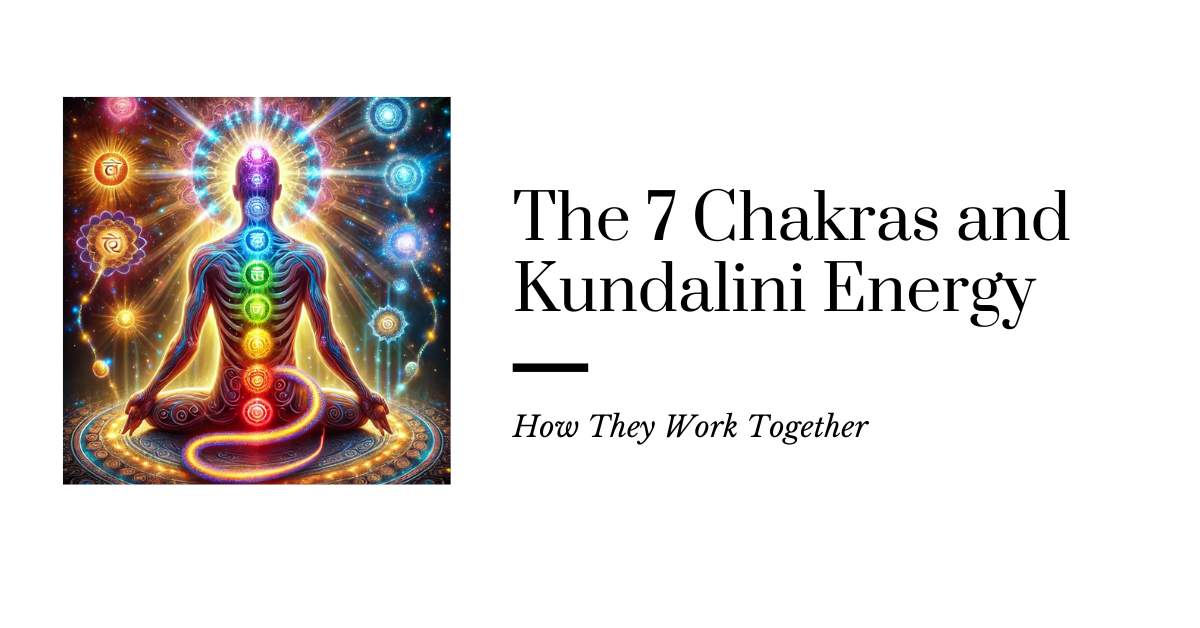
The 7 Chakras and Kundalini Energy: How They Work Together
The human body is not just a physical vessel; it is also an energetic one, composed of intricate systems of spiritual and emotional energies. One of the most powerful spiritual concepts in ancient Indian traditions is Kundalini energy , bel...