Pranayama & Breath Retention

In the previous article, it was shown how the breath and the mind are linked. In this article, we will discuss how practicing pranayama affects our breathing.
When it comes to Pranayama, unlike popular belief, it is the duration of breath retention that is the main focus of interest. When the breath is retained, we are stopping the nervous reactions in different parts of the body and harmonizing the many brain wave patterns
The longer one holds the breath, the greater is the gap created between the nerve impulses and their responses generated in the brain.
According to Patanjali, pranayama is the gap between inhalation and exhalation. It is the practice of controlled inhalation, exhalation, and then retention. But according to Yoga scholars and teachers, most importantly, its primary focus is retention. Inhalation and exhalation are just methods used to induce retention.

This is because retention allows a long period where the most amount of prana (vital energy) can be assimilated.
[D]istractions ... act as barriers to stillness. ... One can subdue these distractions by ... pausing after breath flows in or out.
— Yoga Sutras, 1:30-34, translated by Chip Hartranft
With effort relaxing, the flow of inhalation and exhalation can be brought to a standstill; this is called breath regulation.
— Yoga Sutras, 2:49, translated by Chip Hartranft
Patanjali in the Yoga Sutra, stresses the fact that breath retention has to be cultivated and made stronger in order to stop the fluctuations of the mind. To feel the complete stillness and union that Yoga promises.
Different schools stress different ways to induce control over the mind. Some are through mantra, others through prayer. But Yogis have known that breath is a very strong and powerful tool to control the influxes of the mind.
Yama and Niyama can help in controlling the mind, but they are difficult to adhere to in the modern-day. But through breath retention and breath control using yogic practices like:
The mind can be brought under control. And thus, the deeper realms of consciousness and certain mental powers can be accessed. Breath opens the doorways to the psychic powers of the mind.
References
- Book: Hatha Yoga Pradipika commentary by Swami Muktabodhananda.
- (All the verse translations in the article are by Pancham Sinh) Book: Hatha Yoga Pradipika Translated by Pancham Sinh.
- Book: Yoga Sutras, translated by Chip Hartranft
- Book:
- Book: Breath:The New Science of a Lost Art by James Nestor

A sanctuary dedicated to authentic inquiry into Yoga, Tantra, Pranayama, and Vedic scriptures. Guided by classical texts and sincere spiritual seekers.
Comments & Reflections (1)
Leave a Comment
Your email address will not be published. Questions regarding spiritual practices are welcomed.
Related Articles in Articles
 Articles
The Scientific Benefits of No Fap: Unlocking the Power of Mind and Body
The practice of No Fap —abstaining from physical release—is now believed to offer significant scientific benefits . Through research in Quantum Neuropsychology , scientists suggest that No Fap activates a hidden structure in the brain calle...
 Articles
Carl Jung on Kundalini: Unlocking the Mysteries of the Unconscious Mind
Carl Jung explored the powerful concept of Kundalini, believing it held the key to unlocking the human mind's deepest layers. He saw Kundalini as a “cosmic filament,” an energy that connects each person’s mind to what he called the Prime Co...
 Articles
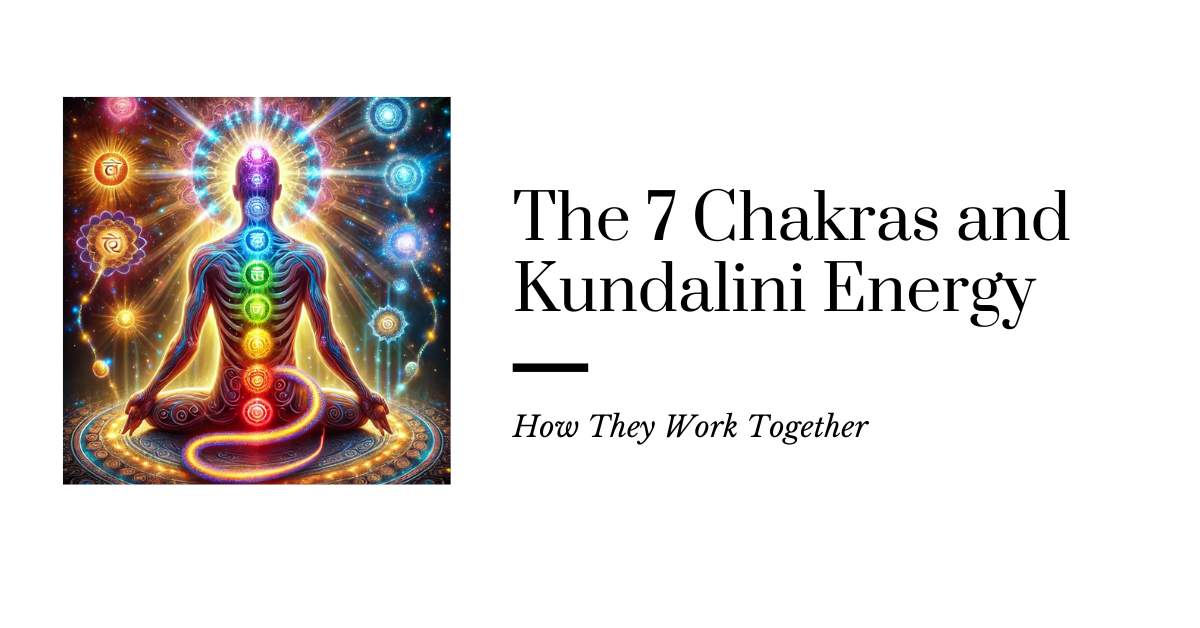
The 7 Chakras and Kundalini Energy: How They Work Together
The human body is not just a physical vessel; it is also an energetic one, composed of intricate systems of spiritual and emotional energies. One of the most powerful spiritual concepts in ancient Indian traditions is Kundalini energy , bel...