Kapalbhati Pranayama (Increase IQ) - Meaning, Procedure, Benefits, Precautions
Kapalbhati belongs to one of the six shatkarma practices. In Sanskrit, the word Kapal means “cranium” or “forehead.” And the word Bhati means “light” and also “knowledge.” Therefore, kapalbhati pranayama is a practice that brings sharpness, illumination, and clarity to the prefrontal cortex region of the brain.
Mention in Scriptures

Translation: "Perform exhalation and inhalation rapidly like the bellows (of a blacksmith). This is called kapalbhati and it destroys all mucous disorders" [1].
Procedure
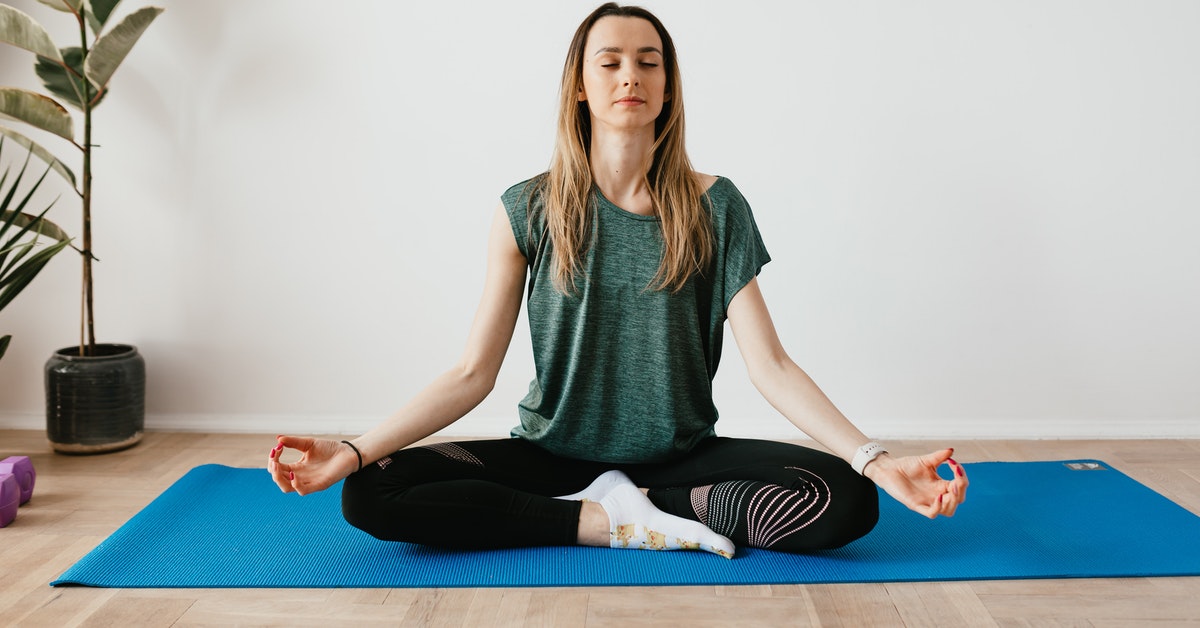
- Sit in a comfortable meditative position, with your head and spine erect. It is preferable that you choose siddha asana or padmasana, however you can also sit on a chair with your back straight. Your hands should be resting on your knees in either chin mudra or janana mudra.
- Now close your eyes and relax your whole body. Bring your awareness to your breath and calm yourself.
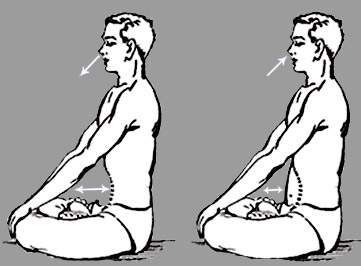
- Next breath deeply through your nose and expand your abdomen. Then exhale with a forceful contraction of your abdominal muscle. Please make sure that you don’t strain yourself.
- Next inhalation takes place passively by allowing your abdomen muscles to expand. Then again exhale with a forceful contraction of your abdominal muscle. Thus, throughout this practice, inhalation is spontaneous involving no effort, the only force exerted is on exhalation.
- Perform 10 such rapid respirations in the beginning.
- After completing 10 rapid breaths in succession, inhale and exhale deeply to settle yourself. Now relax.
- This completes 1 round. Practice up to 3 to 5 rounds.
After the session is over try maintaining your awareness in between your eyebrow center (chidakasha). Feel the emptiness that is created in that region. Remain seated 5 to 6 minutes like this feeling the calmness created in the mind and body.
Duration
Practice 3 to 5 rounds of 10 respirations each round in the beginning.
As you gain experience and your abdominal muscles strengthen, you can increase your respirations to 20 per 1 round. However, don’t increase your total number of rounds without the supervision of a yoga teacher to more than 10 per day.
Breathing Pattern
Always breathe from your abdomen and not from your chest during this practice. The breathing should be rapid, but never over-exert yourself. Throughout this practice, the inhalation remains passive. Force is only exerted during exhalation and not during inhalation and exhalation like in Bhastrika Pranayama.
Kapalbhati in a way reverses the normal breathing pattern in which there is active inhalation and passive exhalation.
Time of Practice
It should be practiced on an empty stomach, or 3 to 4 hours after having a meal. It can be practiced at any time during the day.
Kapalbhati Precautions
- If you feel any sensation of discomfort, pain or dizziness, stop the practice immediately and just sit calmly and breath normally. When the sensation has stopped, then restart your practice but with more awareness and less force. If the problems remain, then stop the practice and consult your yoga teacher.
- Don’t do more than 10 rounds per day without the guidance of a yoga teacher.
- Kapalbhati should not be performed by those suffering from:
- Heart disease
- High Blood Pressure
- Hernia
- Vertigo
- Stroke
- Gastric Ulcer
- Epilepsy
Kapalbhati Benefits
- It purifies the ida and pngala nadis.
- It helps in eradicating sensory distractions and past karmas (deep rooted habits) settled in the mind.
- It helps in energizing the mind and make it sharper, preparing it for long hours of studies.
- It helps in preparing the mind for meditation and removes lethargy.
- It has similar effects as bhastrika on cleaning the lungs. Thus, making this practice helpful for those suffering from asthma, bronchitis or emphysema.
- It helps in strengthening the nervous system.
- It helps in strengthening the digestive organs and aids in digestion and fat loss.
For learning the powerful practice of Bhramri Pranayama to cure anxiety check this article.
References
- Book: Hatha Yoga Pradipika: Light On Hatha Yoga, commentary by Swami Mukti Bodhananda
- Book: Hatha Yoga – The report of a personal experience, by Theos Bernard
- Conference Paper: "Role of Bhastrika, Kapalbhati and Anulom Vilom Pranayam in Mental Health" (link)
A sanctuary dedicated to authentic inquiry into Yoga, Tantra, Pranayama, and Vedic scriptures. Guided by classical texts and sincere spiritual seekers.
Comments & Reflections (1)
Leave a Comment
Your email address will not be published. Questions regarding spiritual practices are welcomed.
Related Articles in Guides
 Guides
Rahu Kaal Today: Complete Guide to Rahu Kaal Timings by City in India and Around the World
Rahu Kaal is one of the most commonly referenced periods in traditional Hindu timekeeping. People who follow Vedic astrology and Panchang traditions often check Rahu Kaal before beginning an important activity, especially when they want to ...
 Guides
Meditation for Kids: A Simple Guide to Help Your Child Relax and Focus
In today’s fast-paced world, kids often experience stress and anxiety, just like adults. That’s where meditation for kids comes in. Meditation is a simple and effective way to help children calm their minds, manage their emotions, and impro...
 Guides
Meditation and Its Methods: Learn Powerful Ways To Change Your Life
Did you know that regular meditation can significantly reduce stress, improve focus, and enhance overall well-being? Meditation and its methods, ancient practices rooted in various spiritual traditions, have gained widespread popularity as ...